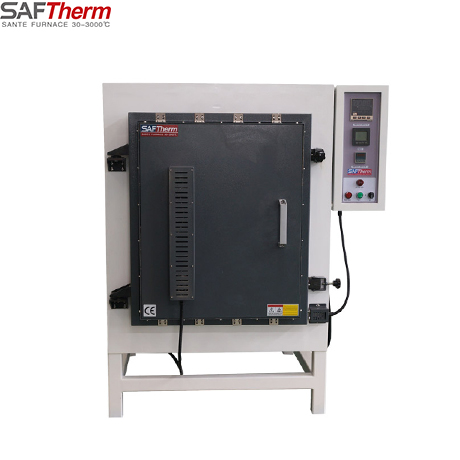
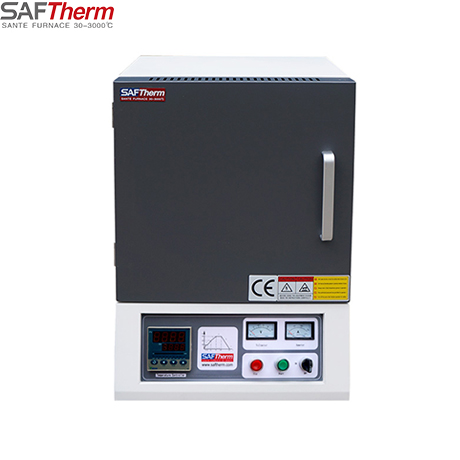
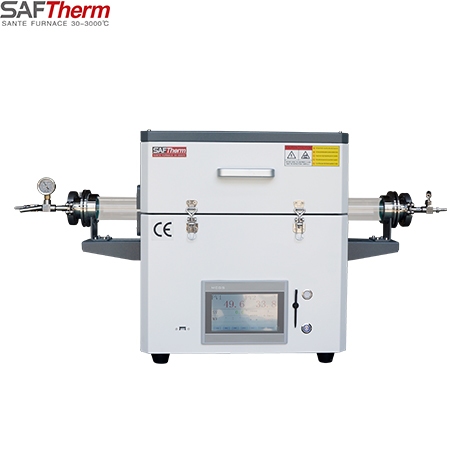
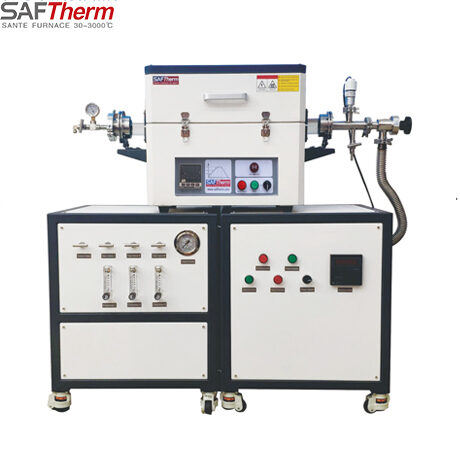
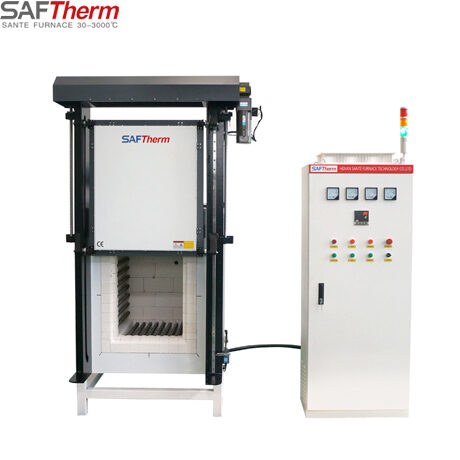
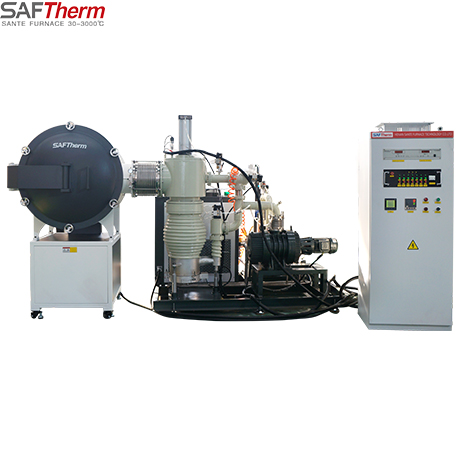
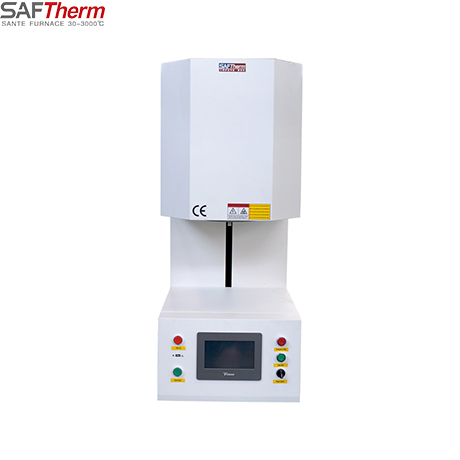
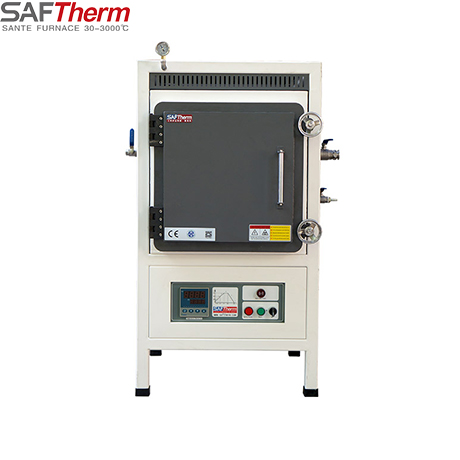
The muffle furnace is a versatile heating device commonly used in thermal processing and industrial workpiece treatment. In the pharmaceutical industry, muffle furnaces are employed for drug testing and the pretreatment of medical samples. In the analytical chemistry sector, muffle furnaces serve as sample processing equipment in areas such as water quality analysis and environmental analysis. In coal quality analysis, muffle furnaces can also be utilized for determining moisture, ash content, volatile matter, ash fusion point analysis, ash composition analysis, and elemental analysis. Furthermore, muffle furnaces can also function as general-purpose ashing furnaces. With so many application scenarios for muffle furnaces, what issues should be considered during installation and use? Installation precautions:
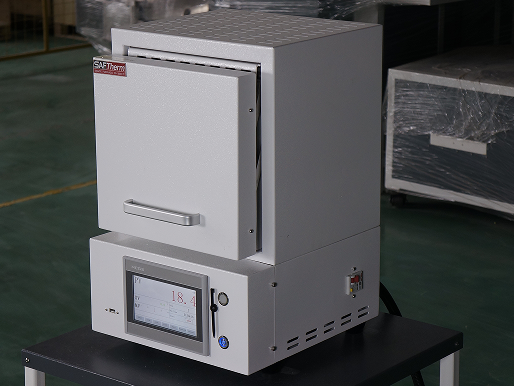
A typical muffle furnace does not require special installation; it can simply be placed flat on a level indoor floor or shelf. The controller should be protected from vibrations and should not be placed too close to the electric furnace to prevent internal components from malfunctioning due to overheating.
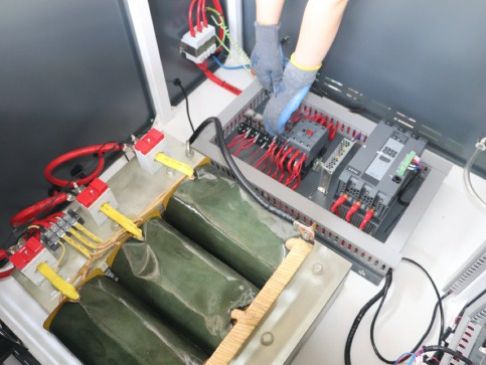
Connect the thermocouple to the compensating lead wire for control purposes (or use an insulated steel core wire), ensuring the positive and negative poles are correctly identified and not reversed.
A power switch should be additionally installed at the power cord entry to control the main power supply. To ensure safe operation, the electric stove and controller must be reliably grounded.
Before use, adjust the temperature indicator to zero. When using a compensating lead wire and a cold junction compensator, adjust the mechanical zero point to the reference temperature point of the cold junction compensator. When not using a compensating lead wire, adjust the mechanical zero point to the zero scale position, but the indicated temperature is the temperature difference between the measuring point and the cold junction of the thermocouple.
Adjust the setting pointer of the temperature indicator to the desired operating temperature, and then connect the power supply. Turn on the power switch, and the green light on the temperature indicator will light up, indicating that the relay has started working. The electric furnace is now powered on, and the ammeter will display current. As the temperature inside the electric furnace rises, the pointer of the temperature indicator will gradually move up, indicating that the system is working properly. The temperature rise and constant temperature of the electric furnace are indicated by the red and green lights of the temperature indicator, with green light indicating temperature rise and red light indicating constant temperature.
ndustrial furnaces are used globally for a wide range of applications. As the selection of applications grew, different types of furnaces were developed to keep up with demands.
ASHING FURNACES
Ashing furnaces are used to determine the amount of ash that forms after a sample is burned. Typical materials used as samples in ashing furnaces are petroleum products, lubricating oils, and coal.