Time:
Frequently Asked Questions (FAQs) about Muffle Furnace Temperature Uniformity
Basic Concepts
Q1: What is muffle furnace temperature uniformity?
A1: Temperature uniformity refers to the difference between the highest and lowest temperatures at various measuring points within the effective working furnace space of a muffle furnace under a set constant temperature condition. The unit is °C (°C). It is a core indicator for evaluating the quality of the furnace's temperature field.
Q2: Are muffle furnace temperature uniformity and temperature control accuracy the same thing?
A2: No. Temperature control accuracy is the deviation between the temperature measured at a single point and the set value; temperature uniformity is the temperature difference between multiple locations within the furnace chamber. The two concepts are completely different.
Q3: What is the general standard for acceptable temperature uniformity of a muffle furnace?
A3: The standard requirement for ordinary laboratory muffle furnaces is ±5°C; high-end precision models can reach ±2°C to ±3°C; high-temperature energy-saving high-quality models can achieve approximately ±1°C.
Testing Methods
Q4: What are the most suitable sampling points for testing the temperature uniformity of a muffle furnace? A4: Conventional small muffle furnaces use a 5-point sampling point layout (center + top, bottom, left, and right); standard testing and type inspection use a 9-point layout (octagon + center).
Q5: Must temperature uniformity testing be done under no-load conditions or can samples be included?
A5: Standard factory testing uses no-load testing as the baseline; in actual use, half-load and full-load comparative tests can be performed. The temperature difference under full load is generally slightly greater than under no-load conditions.
Q6: How long should the temperature be held constant before taking readings?
A6: For medium and low temperature ranges, at least 30 minutes of constant temperature is required; for high-temperature muffle furnaces above 1000℃, 40-60 minutes of constant temperature is required, allowing the temperature field to reach complete steady-state before data collection.
Q7: Can ordinary thermocouples be used to measure temperature uniformity?
A7: No. High-precision K-type or S-type thermocouples must be used. Ordinary thermocouples have large inherent errors, which will distort the uniformity test results.
Influencing Factors
Q8: What design factors can lead to poor temperature uniformity in a muffle furnace?
A8: Main reasons: unreasonable heating element layout, dead corners in the furnace structure, uneven insulation layer thickness, heat leakage from the furnace door seal, lack of zoned temperature control, and low emissivity of the furnace refractory material.
Q9: Will opening and closing the furnace door affect temperature uniformity?
A9: Yes. Frequent door opening will cause a large amount of heat loss from the furnace opening, creating a cold zone at the front and widening the temperature difference between the front and back of the furnace. Opening the door is strictly prohibited during constant temperature testing.
Q10: Will placing too many samples damage temperature uniformity?
A10: Yes. Overcrowding samples and obstructing heat radiation and air convection will cause the temperature in the center to be higher and the corners lower, significantly reducing temperature field uniformity.
Q11: Will ambient temperature and ventilation affect the uniformity inside the furnace?
A11: Yes. Equipment facing an air vent, direct sunlight, or poor heat dissipation in confined spaces will all cause temperature differences in the furnace shell, indirectly affecting the temperature field distribution inside the furnace.
Usage and Troubleshooting
Q12: Why is the temperature different at different points inside the muffle furnace even after the set temperature has been reached? A12: Reaching the required temperature only means the instrument has met the standard at a single point. The furnace's radiation and convection haven't yet reached thermal equilibrium. A prolonged period of constant temperature is needed for the temperature field to become uniform.
Q13: What causes the temperature uniformity of a muffle furnace to deteriorate over time?
A13: Aging heating elements leading to power reduction, shrinkage of insulation fibers causing heat leakage, aging furnace door seals causing air leakage, and ash accumulation in the furnace obstructing radiative heat exchange can all cause a decrease in uniformity after long-term use.
Q14: How can I quickly and easily determine if the temperature uniformity of my muffle furnace is poor?
A14: If there are significant differences in color, weight loss, and hardness after sintering/ash/heat treatment when placing samples from the same batch in the front, back, left, right, and center of the furnace, it indicates poor temperature uniformity.
Optimization and Improvement
Q15: How can I improve the temperature uniformity of a muffle furnace from a user perspective?
A15: Properly place samples to avoid contact with the furnace wall or blockage; reduce frequent door openings; extend the constant temperature time; place equipment away from vents; regularly check and replace furnace door seals.
Q16: How can the temperature uniformity of a muffle furnace be improved from a design perspective?
A16: Optimize the symmetrical and dense arrangement of heating elements, rounded corner structure, multi-layer gradient insulation, labyrinth seal for the furnace door, use multi-zone PID independent temperature control, and select high-emissivity furnace lining materials.
Q17: Can temperature uniformity defects be adjusted and repaired?
A17: Minor deviations can be improved by adjusting PID parameters, compensating for heating power in each zone, thickening local insulation, and replacing the furnace door seal; structural design defects require re-optimization of the furnace chamber and heating layout.
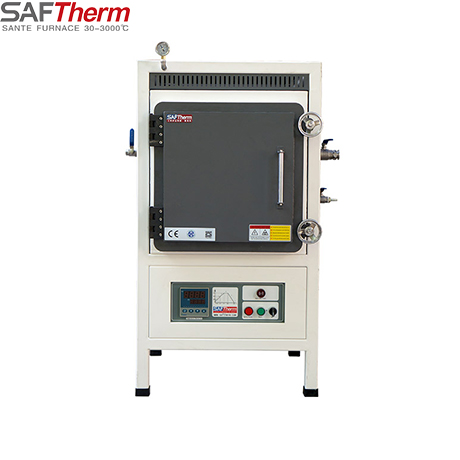
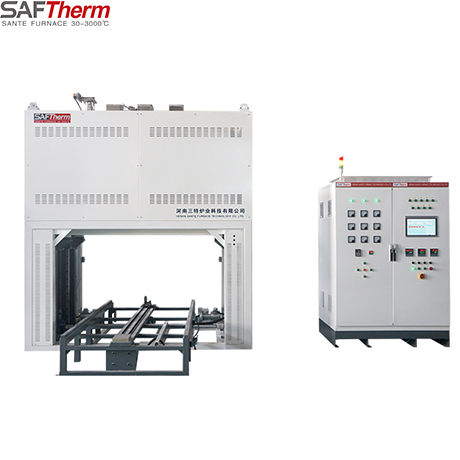
Partner with SAFTHERM Furnace for laboratory heating equipment and high-temperature heat treatment equipment
With over 20 years of experience in the heating equipment industry, Henan Saftherm Technology Co., Ltd. designs, manufactures, and develops high-quality laboratory and industrial heating equipment. Our engineering team of over 10 experts collaborates with clients to develop optimized heating equipment solutions to meet their unique operating conditions. We offer heating equipment and technical solutions including 1200°C, 1400°C, 1700°C, and 1800°C muffle furnaces, industrial furnaces, tube furnaces, ceramic degreasing furnaces, lifting furnaces, bogie hearth furnaces, atmosphere furnaces, and vacuum furnaces. The company is ISO9001 quality system certified, holds CE certification and SGS factory certification, and possesses over 30 invention patents. We provide laboratory heating equipment and high-temperature heat treatment equipment and technical services to numerous industries, including universities, research institutes, factories, petroleum, petrochemical, metallurgy, casting, machinery manufacturing, and military industries, while maintaining competitive pricing.
You can contact our technical team at [email protected] to discuss your technical needs. We offer comprehensive support, including application engineering, customized design services, and detailed product specifications to help you make informed purchasing decisions. You can browse our complete product list at www.saftherm.com.
Related News
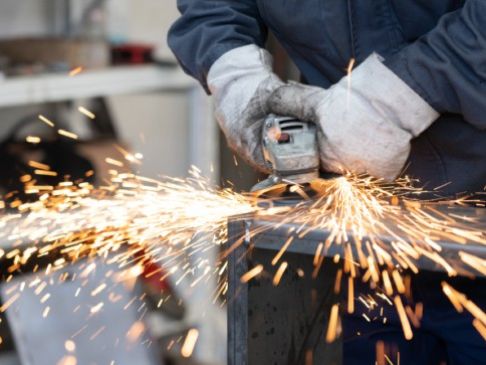
ndustrial furnaces are used globally for a wide range of applications. As the selection of applications grew, different types of furnaces were developed to keep up with demands.
ASHING FURNACES
Ashing furnaces are used to determine the amount of ash that forms after a sample is burned. Typical materials used as samples in ashing furnaces are petroleum products, lubricating oils, and coal.
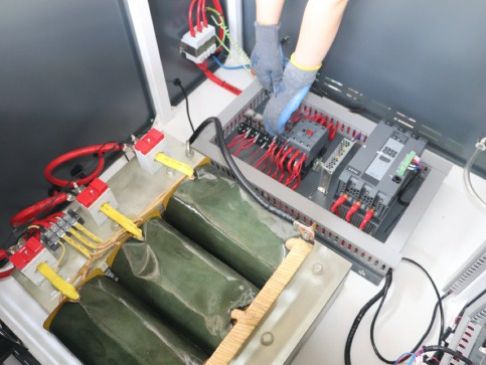
Our furnaces can be used in high-temperature tempering, annealing, quenching and other
Get A Free Quote

Submit Request