Time:
What are the temperature ratings for muffle furnaces, and how do you choose the right one?
When selecting a muffle furnace, the temperature rating is often the primary consideration. Deciding which temperature range is sufficient for your industrial application depends on the specific materials and processes involved.
A muffle furnace's temperature capability is a function of its design. The temperature required for your specific process dictates the type of furnace you need.
I. Why do muffle furnace temperatures vary?
A muffle furnace is essentially a high-temperature electric furnace. Its capabilities are determined by its construction and intended use. Understanding these factors is key to grasping their temperature ranges.
The Role of Construction and Materials
A furnace's maximum temperature is determined by its heating chamber and insulation materials. The "muffle" itself is a protective enclosure—usually made of ceramic—that shields the sample from direct radiation emitted by the heating elements.
This design ensures uniform heating but requires robust, heat-resistant materials (such as refractory bricks and advanced ceramics) to withstand the extreme internal environment. Higher-grade, more expensive materials allow for higher maximum temperatures.
II. Overview of Muffle Furnace Temperatures
1000°C, 1100°C, 1200°C (Heated by Fe-Cr-Al resistance wire)
Typical operating range: 200–900°C
Applications: Sample ashing, residue ignition, ore calcination, annealing of small workpieces, material drying, and loss-on-ignition (LOI) testing; a standard fixture in most analytical laboratories.
(2) Medium-to-High Temperature Models
1300°C, 1400°C (Heated by Silicon Carbide/SiC rods)
Applications: Dewaxing of cemented carbides, sintering of magnetic materials, high-temperature oxidation treatment of stainless steel, and sintering of standard ceramics. (3) High-Temperature / Ultra-High-Temperature Models
1600°C, 1700°C, 1800°C (MoSi₂ heating elements)
Applications: High-temperature sintering of high-performance structural ceramics (such as alumina, zirconia, and silicon nitride) and specialty inorganic materials; R&D of advanced materials. A small number of custom-made research furnaces can reach temperatures above 2000°C, though such use is extremely rare.
How to choose an appropriate temperature muffle furnace - Determine the target temperature based on your own process requirements
| General ash content test, plastic incineration, low-temperature heat treatment | 500~600°C | 800°C Model |
| Carbon calcination, conventional ceramic bisque firing, general annealing, soil sample digestion | 700~900°C | 1000°C Model |
| Conventional ceramic glaze firing, metal quenching and tempering, powder metallurgy pre-sintering | 900~1100°C | 1200°C Model (the most commonly used mainstream model in the market) |
| Alumina ceramic sintering, cemented carbide, high-purity powder calcination, corundum products | 1200~1400°C | 1400°C High-temperature Furnace (with molybdenum disilicide heating elements) |
| High-purity alumina, aluminum nitride, special ceramics, cemented carbide densification sintering | 1400~1600°C | 1600°C High-temperature Furnace with molybdenum disilicide heating elements |
| Ultra-high temperature sintering (densification of silicon carbide, silicon nitride, zirconia) | Above 1600°C | 1700°C / 1800°C Ultra-high Temperature Muffle Furnace |
2. Simple Selection Logic
(1) Determine the required constant temperature for your sample process;
(2) Select a furnace with a rated temperature 50–100°C higher than the process temperature;
Example: For a fixed sintering temperature of 1000°C, a 1200°C muffle furnace is the most suitable choice.
3. Additional Constraints to Consider
(1) Heating rate affects the actual usable temperature
For the same 1200°C furnace:
·Slow heating (5–10°C/min): Easily maintains stable operation at 1100°C for extended periods;
·Forced rapid heating: Increases the load on the furnace chamber and heating elements, requiring a reduction in the actual maximum usable temperature.
(2) Furnace chamber material compatibility with temperature
·Standard lightweight refractory brick: Suitable for routine use at ≤1200°C;
·Corundum crucibles/chambers: Suitable for high temperatures of 1400°C and above; higher temperatures demand higher-grade refractory materials—forcing low-grade chambers to operate at high temperatures makes them prone to cracking and shedding dust, which can contaminate samples. (3) Limitations of Atmosphere on Temperature Selection
·Air atmosphere: Suitable for the vast majority of standard muffle furnaces.
·Reducing atmospheres (hydrogen, ammonia, carbon-rich): Resistance wires and molybdenum disilicide (MoSi2) elements oxidize and fail rapidly; standard air-rated furnaces are unsuitable—custom-built high-temperature furnaces designed for specific atmospheres are required.
·Volatile or corrosive samples (acids, alkalis, salts, heavy metal salts): These corrode heating elements at high temperatures; protection of the furnace chamber is essential alongside temperature control, and long-term operation at maximum rated temperature should be avoided.
(4) Intermittent Use vs. 24-Hour Continuous Operation
·Short daily experiments (a few hours): A temperature margin of 50°C is generally sufficient.
·Round-the-clock continuous sintering or mass production: A margin of over 100°C is recommended to slow the aging of heating elements and extend the furnace's service life.
(5) Common Pitfalls to Avoid
1.Choosing a furnace that barely meets the process temperature just to save money: For example, buying a furnace rated for 1,200°C when the process requires 1,200°C sintering is only a short-term fix; continuous operation at this temperature often leads to broken heating wires and chamber cracking.
2.Blindly choosing a high-temperature furnace for low-temperature processes: There is no need to buy a 1,400°C MoSi2 furnace for a 500°C ashing process; doing so unnecessarily increases purchase costs, power consumption, and maintenance expenses.
3.Overlooking sample heat absorption: Large samples or heavy loads absorb significant heat; even if the furnace's rated temperature is sufficient, the actual material temperature may fail to reach the target. Selecting a furnace with a higher temperature rating is advisable in such cases.
Ready to find your perfect muffle furnace?
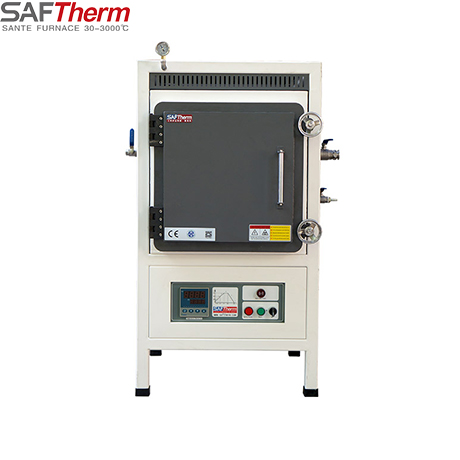
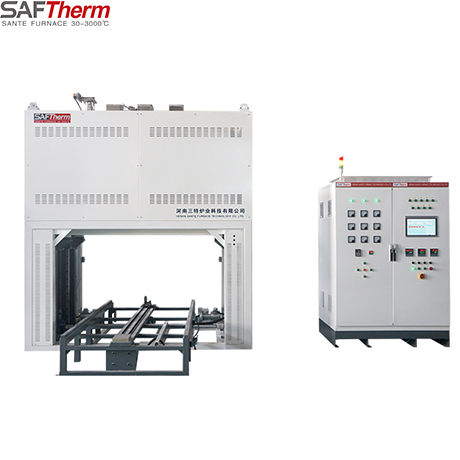
Your experimental success depends on precise temperature control. With exceptional R&D and in-house manufacturing capabilities, SAFTHERM provides advanced high-temperature furnace solutions tailored to your unique requirements.
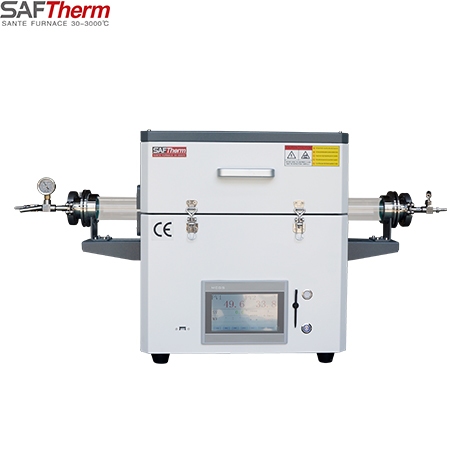
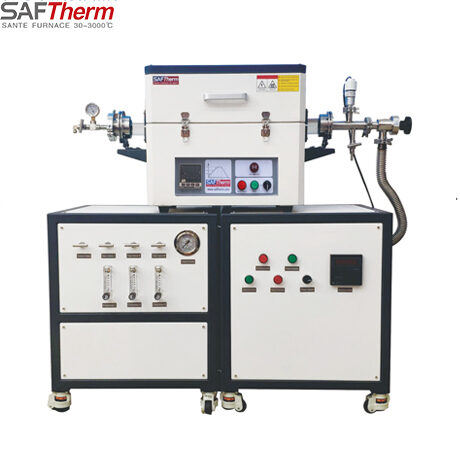
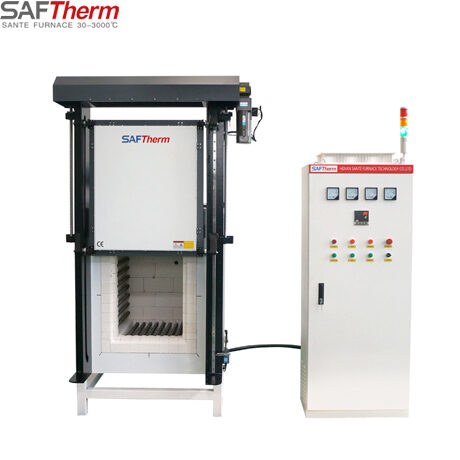
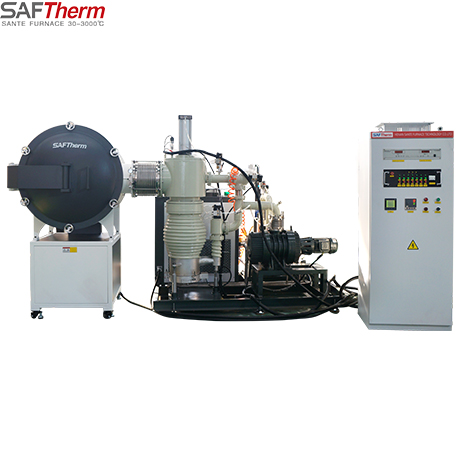
Our diverse product line—including muffle furnaces, tube furnaces, and specialized high-temperature models—is backed by extensive customization capabilities. Whether you need a standard 1,200°C workhorse furnace or an 1,800°C research-grade unit, we offer solutions that fit both your process needs and your budget.
Related News
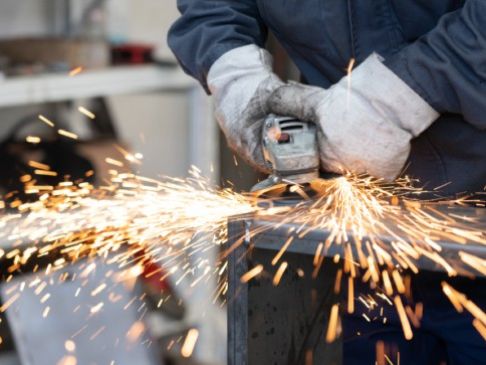
ndustrial furnaces are used globally for a wide range of applications. As the selection of applications grew, different types of furnaces were developed to keep up with demands.
ASHING FURNACES
Ashing furnaces are used to determine the amount of ash that forms after a sample is burned. Typical materials used as samples in ashing furnaces are petroleum products, lubricating oils, and coal.
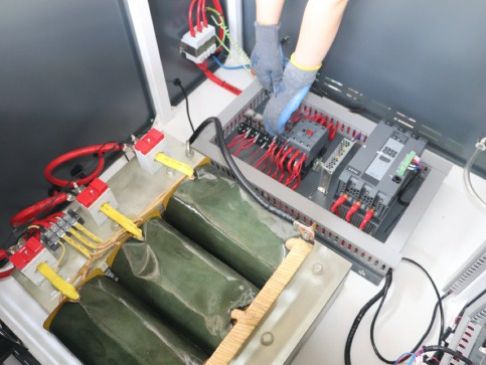
Our furnaces can be used in high-temperature tempering, annealing, quenching and other
Get A Free Quote

Submit Request